Surfacing

Identity, participation, and provenance as conditions for continued form


Surfacing is a networked artwork built on top of networked.art. It uses identities, transactions, ownership, and participation from that platform as inputs into a second artistic system. The project treats networked.art’s premise as something to work through from within, testing what happens when its structures of participation become conditions for the form and continuation of the artwork itself.


What happens when the network around a work becomes material for the next work?
 

Identity

Every network needs a first work.

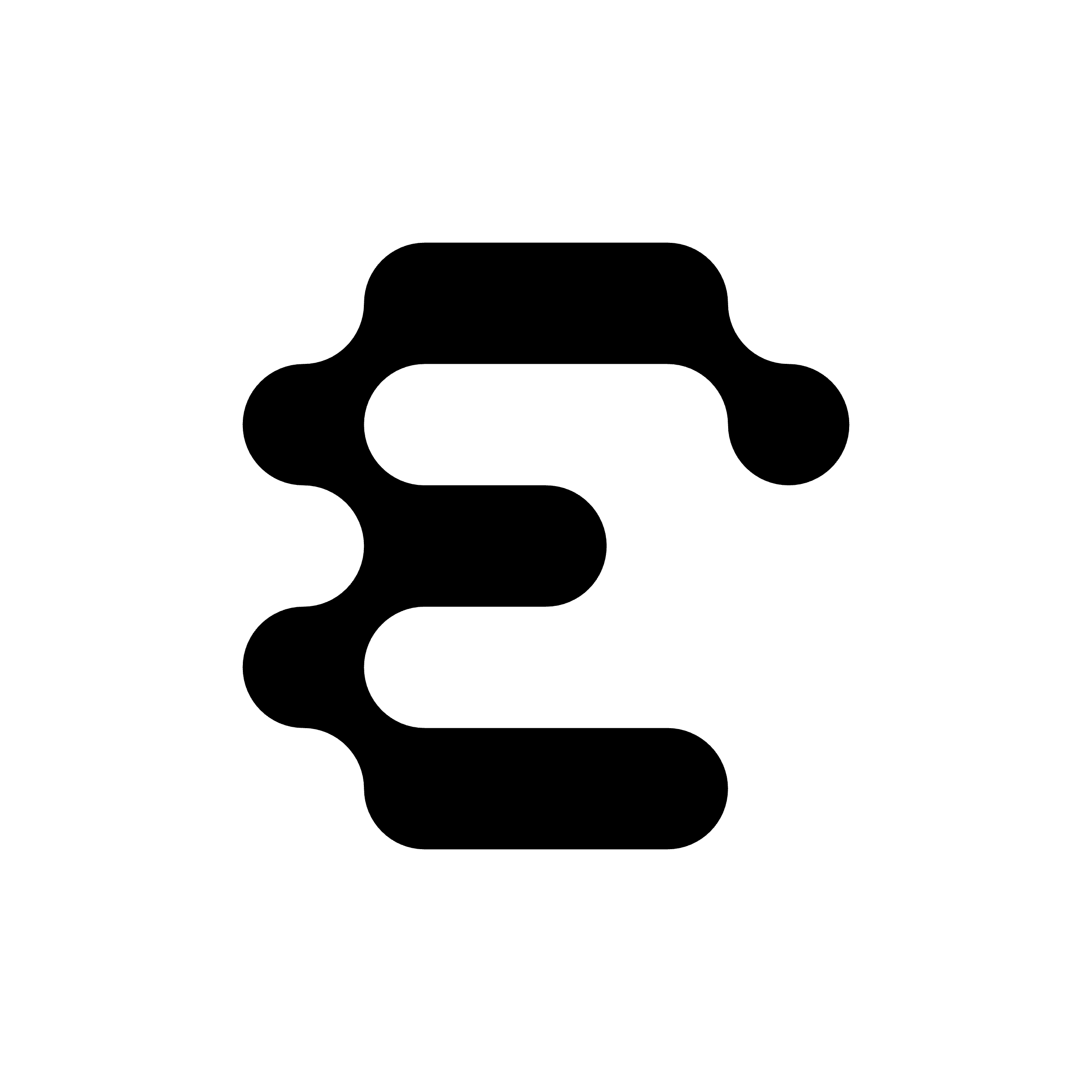
Surfacing begins with identities already native to networked.art: glyphs automatically assigned to its participants and used throughout the platform to represent them within its network.

These glyphs are also compact geometric inputs for SelSurfTen, allowing the platform’s representation of identity to pass directly into my own formal system.

The artist selects a subject and translates their glyph through SelSurfTen.

Identity is not standardized. Translation is.
 

Field

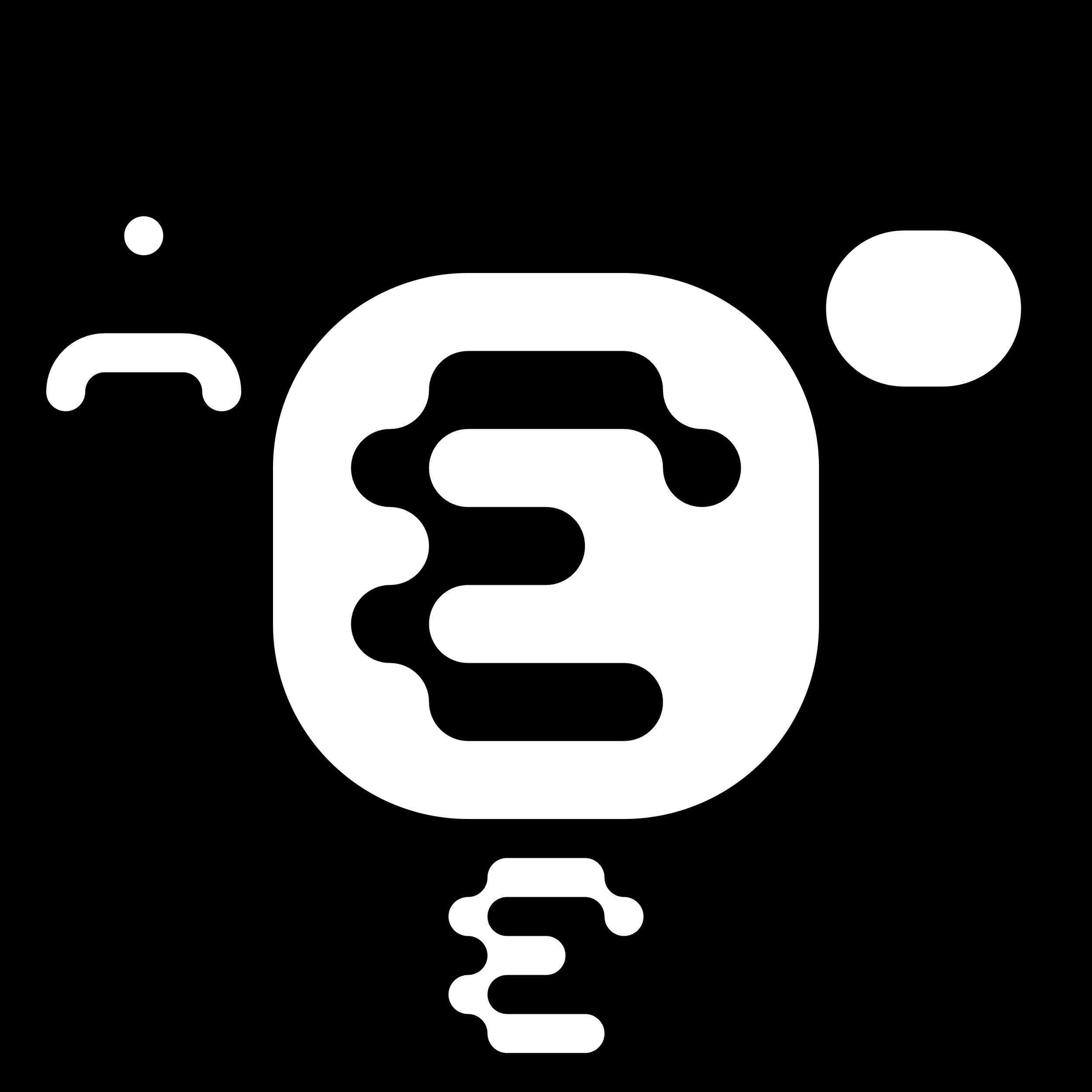
Participation around an Identity can create the conditions for a Field.

The first threshold is three unique participants: the artist and at least two others. One relationship can establish exchange; three participants begin to describe a network.

A Field records the network surrounding its source work at the moment it is produced. Thresholds determine whether continuation becomes possible. The current network determines what the resulting work records.

Subsequent Fields require the network to exceed the participant count recorded by the Field before them.

 

Mesh

A Mesh concerns relationships that begin forming across separate branches of the system.

Where a Field follows the development of a lineage, a Mesh responds to connections forming between lineages.


Identity seeds the network. Field records its growth. Mesh responds when networks begin to meet.


Network

Surfacing treats the artist as a participant in the network, not as a position outside it.

Creating and minting a work is itself an entry into the system: a decision, a financial commitment, and an on-chain event recorded alongside bids, collections, and patronage.

The network therefore begins with the artist.


Agency

The system is rule-bound, but not self-executing.

Protocols determine what becomes eligible.
The network supplies the conditions.
As the artist, I determine what becomes actual.

Crossing a threshold creates possibility, not obligation.


Provenance

Provenance is part of the work’s behavior.

Bids, collections, patronage, transfers, and changes in ownership can alter the network from which later works emerge.

Roles may accumulate, but participants remain singular.


Embedded Provenance

Each work contains the network and provenance from which it emerged.

This includes on-chain activity, the artist’s stated intentions and source references, the software used to produce the work, and the underlying Avvvatars glyph from which its form was derived.

Interaction makes part of that lineage visible: hovering over the relaxed glyph reveals its rigid source.

The artwork functions simultaneously as image, interface, record, and executable document of its own formation.


Continuation

Each work remains complete whether or not anything follows.

A branch may become dormant when participation does not justify continuation, but provenance can continue to develop. If the network grows later, the branch can become active again.


SelSurfTen

SelSurfTen — Selective Cellular Surface Tension — is the formal translation system underlying Surfacing.

It relaxes rigid cellular geometry through controlled rounding and local negotiation between forms.

Within Surfacing, it provides the formal bridge between networked.art’s native identity system and my own.

The network determines what can happen. SelSurfTen determines how identity is translated into form.