Squint

2013

Installation

A system-based installation in which perception and recognition emerge from constrained processes of mediation.

Press:

Archived press (The Creators Project, 2013)

 
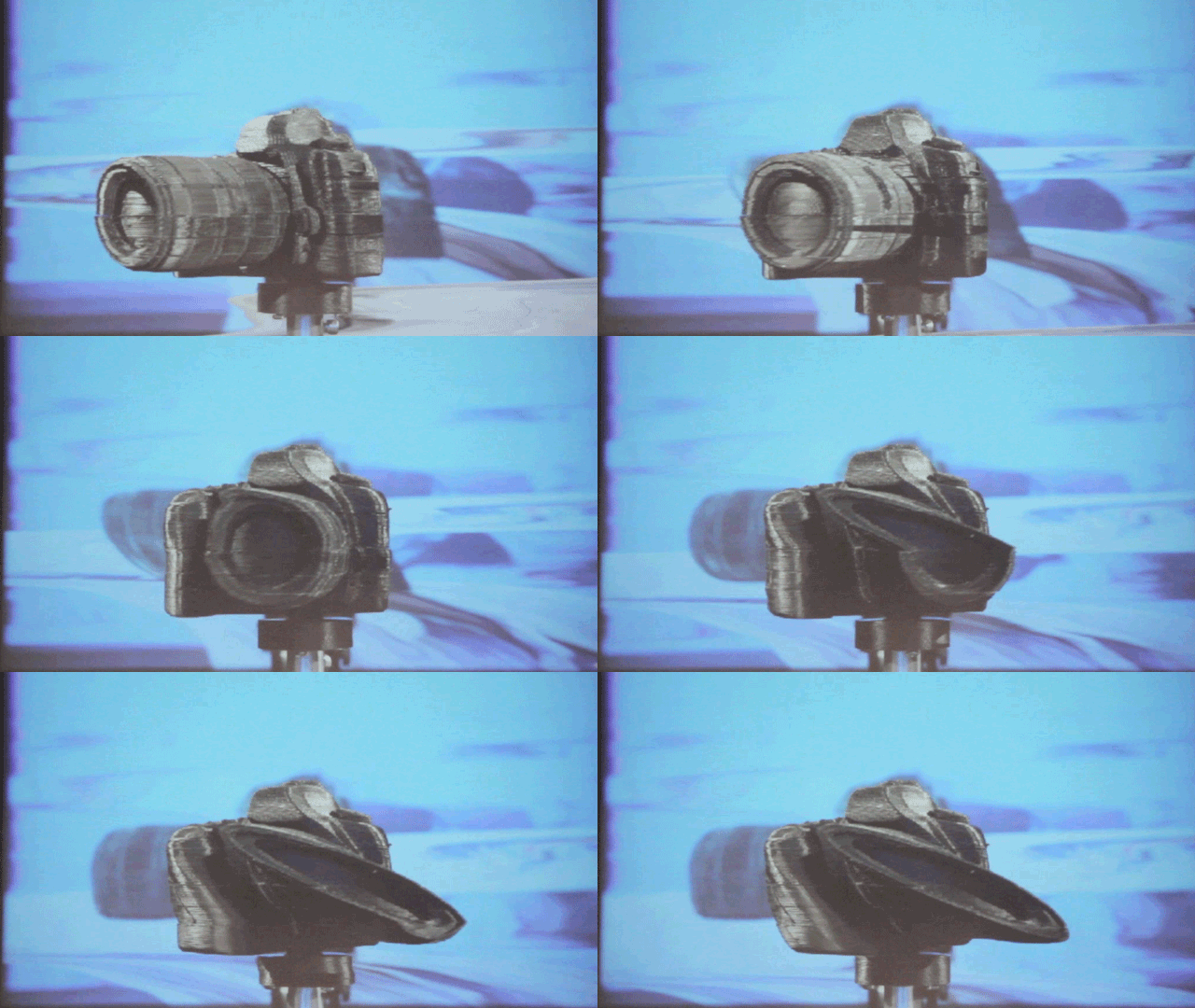
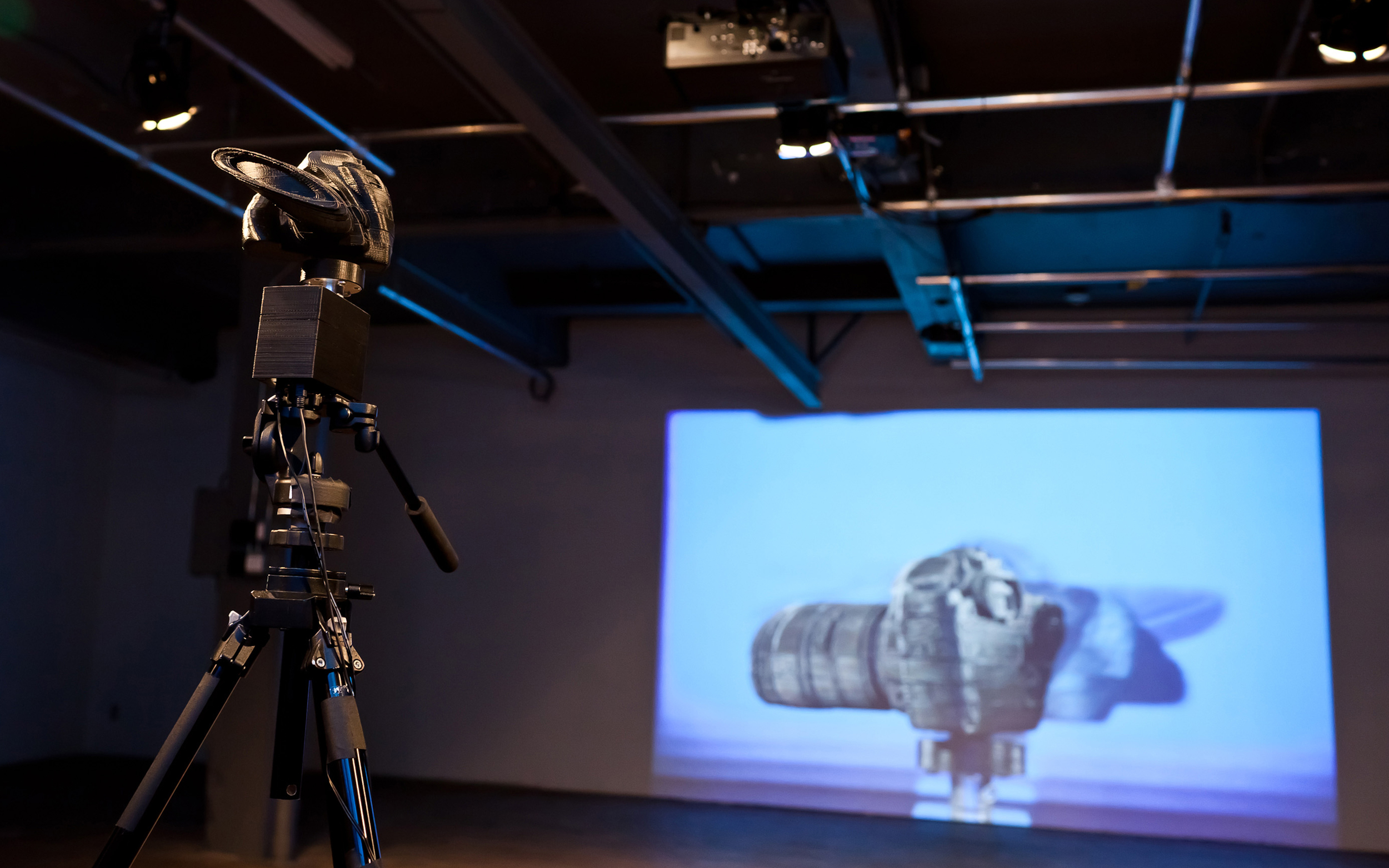
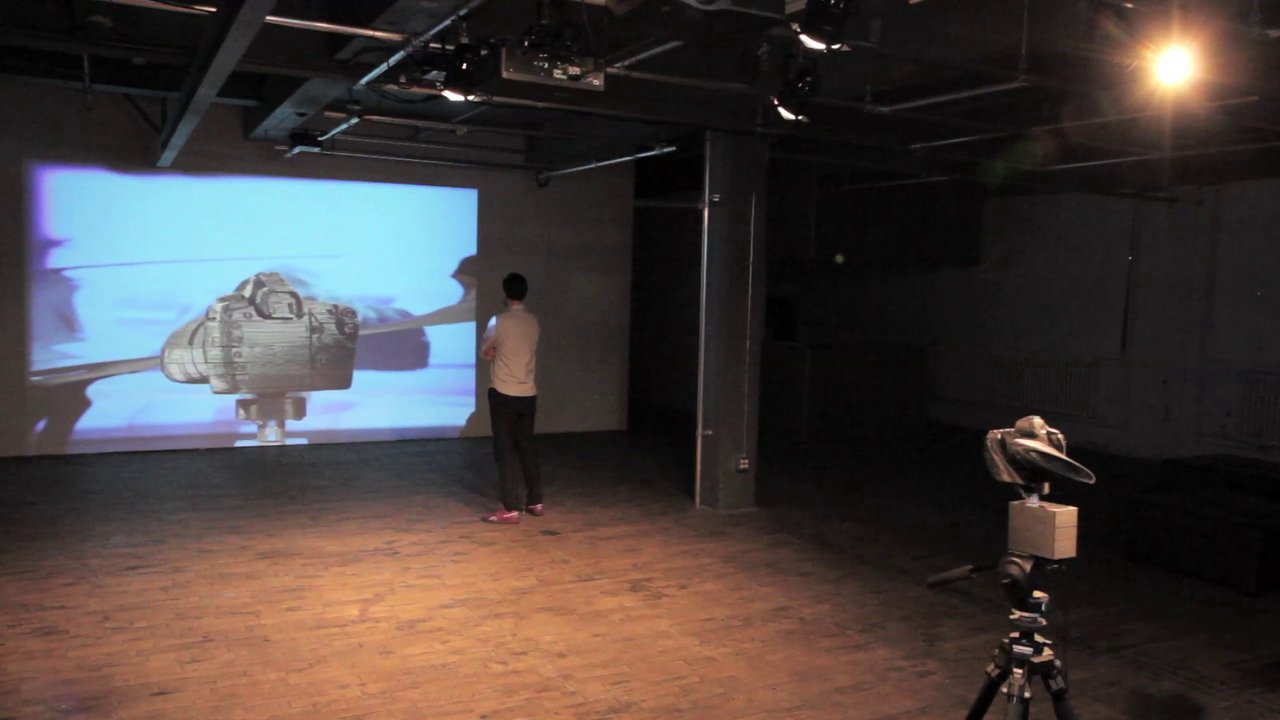
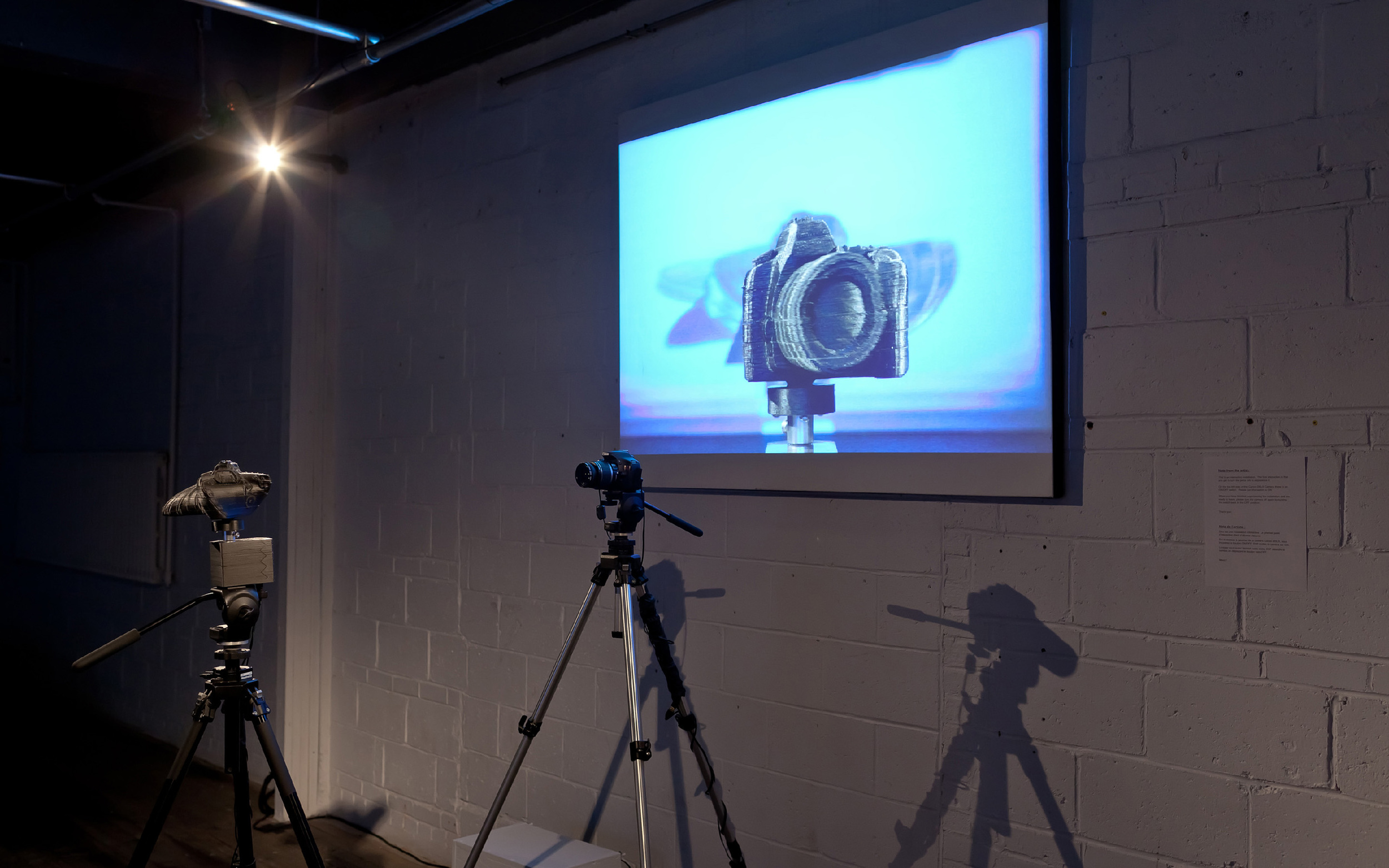
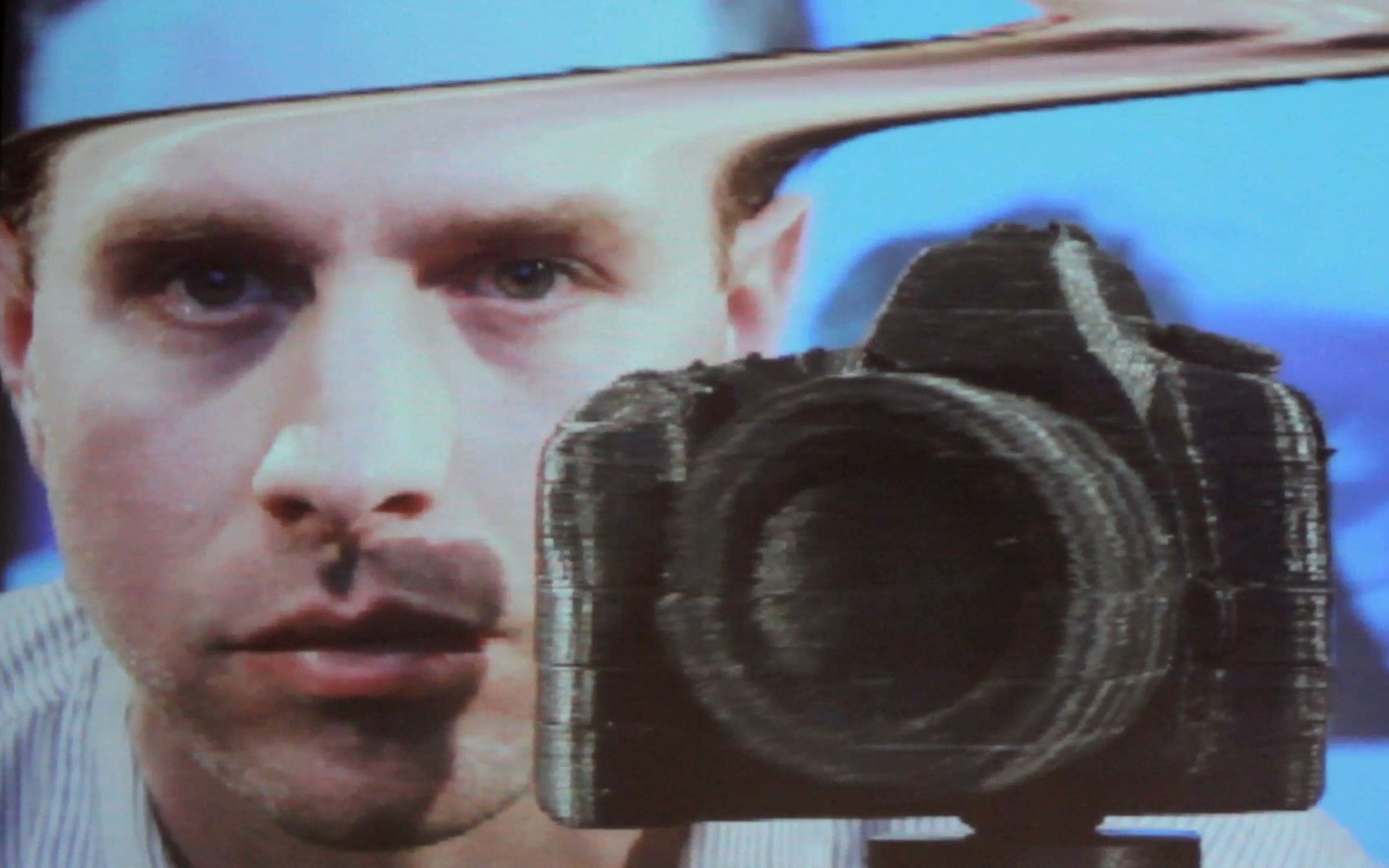
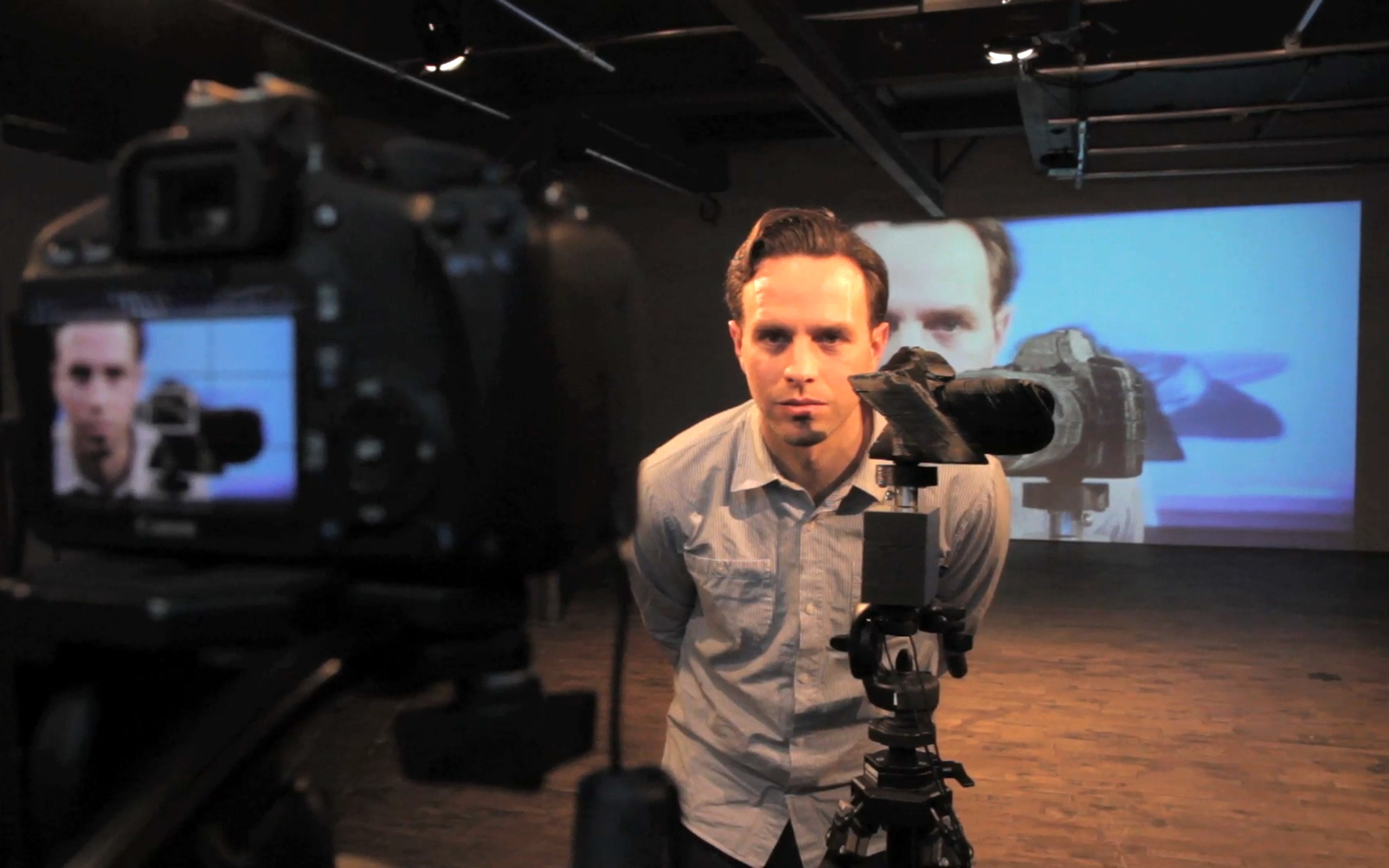
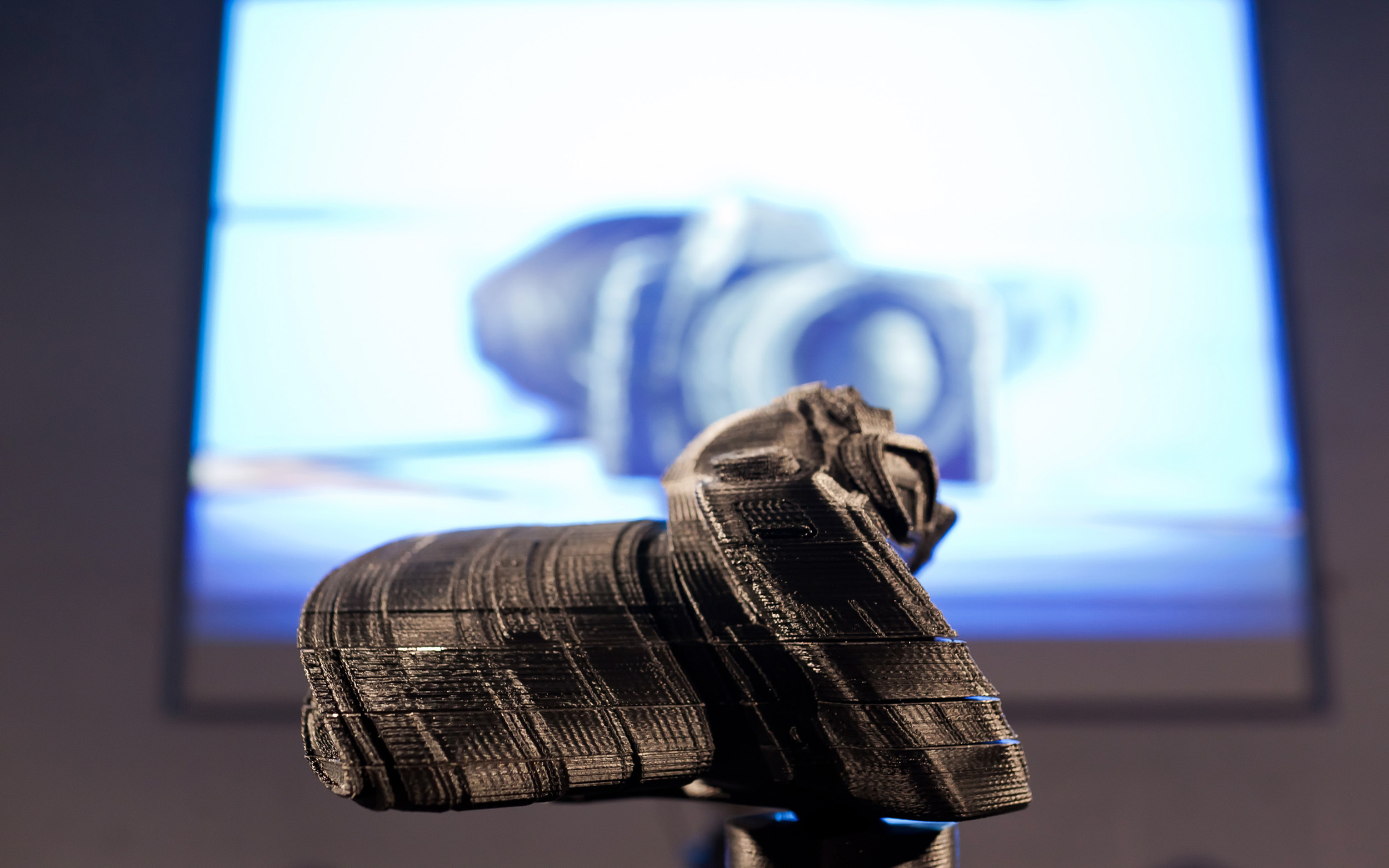
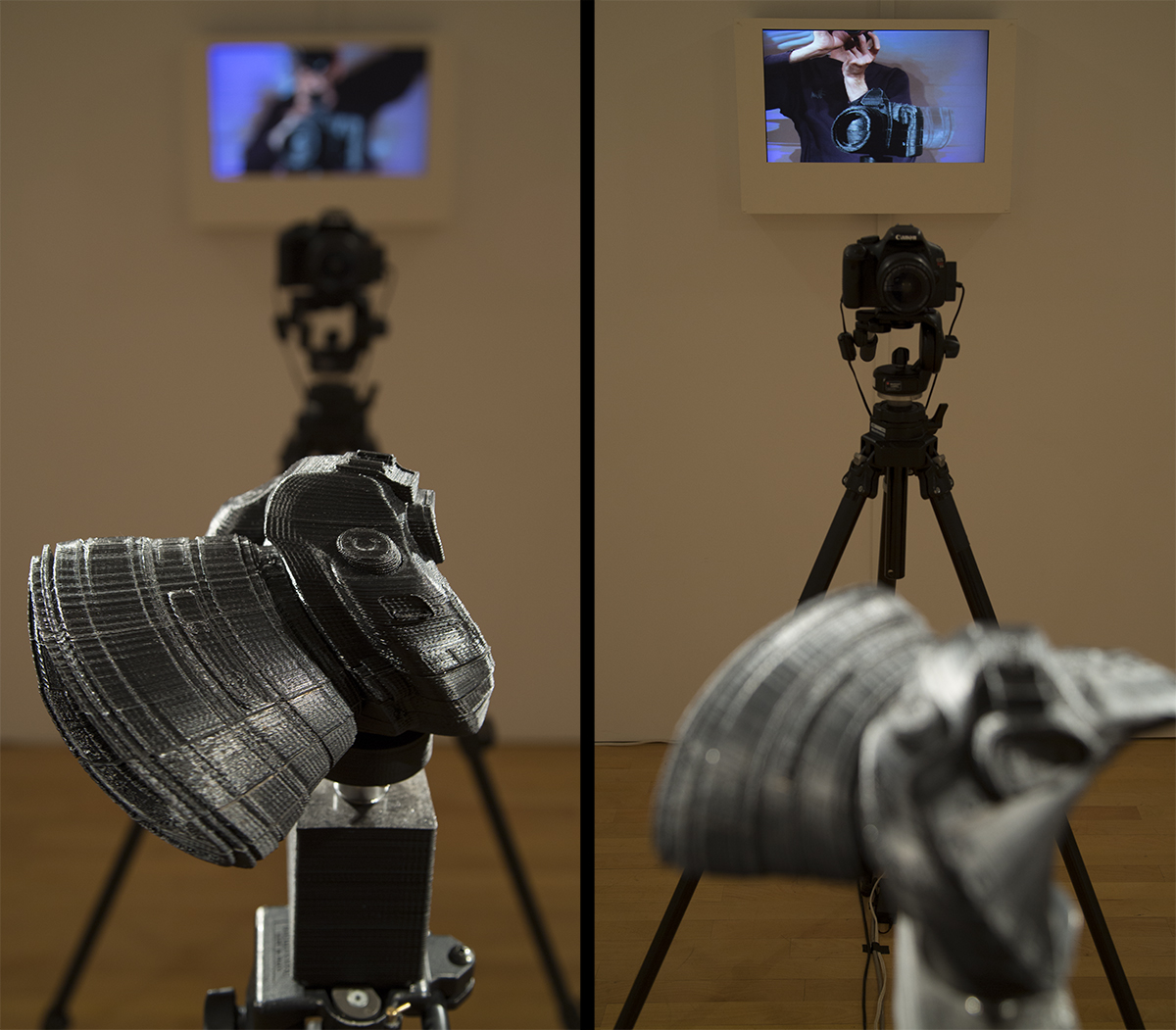
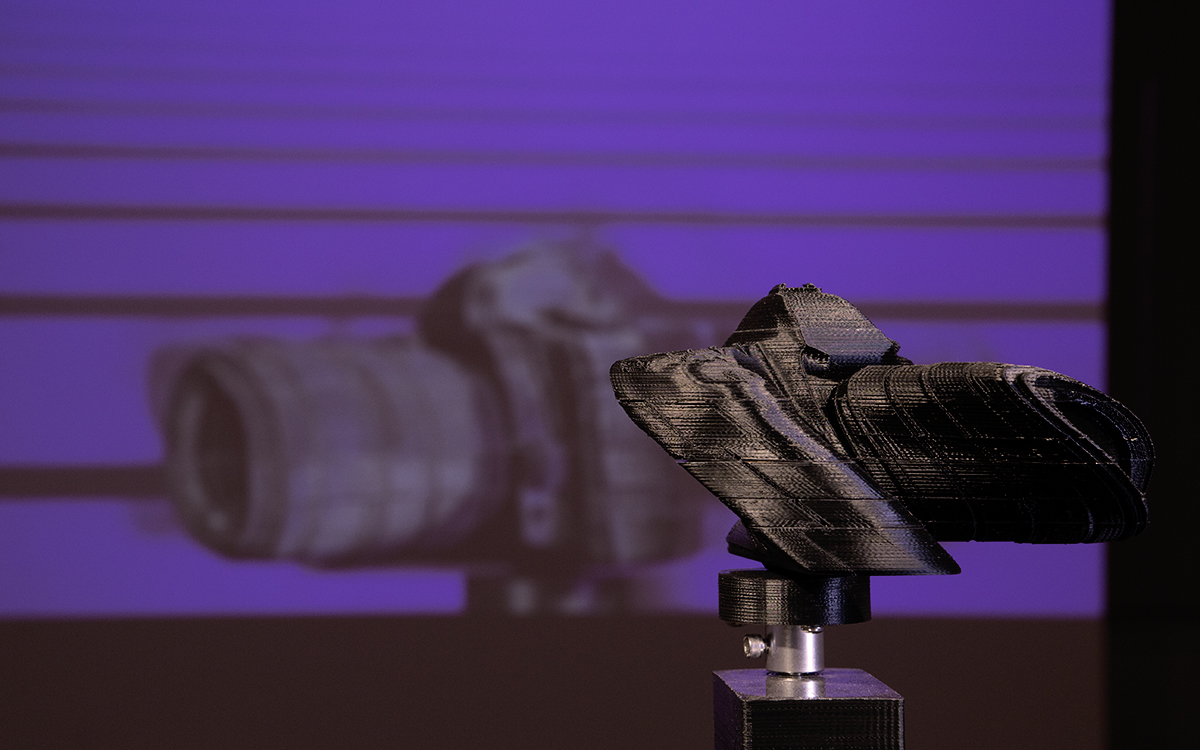
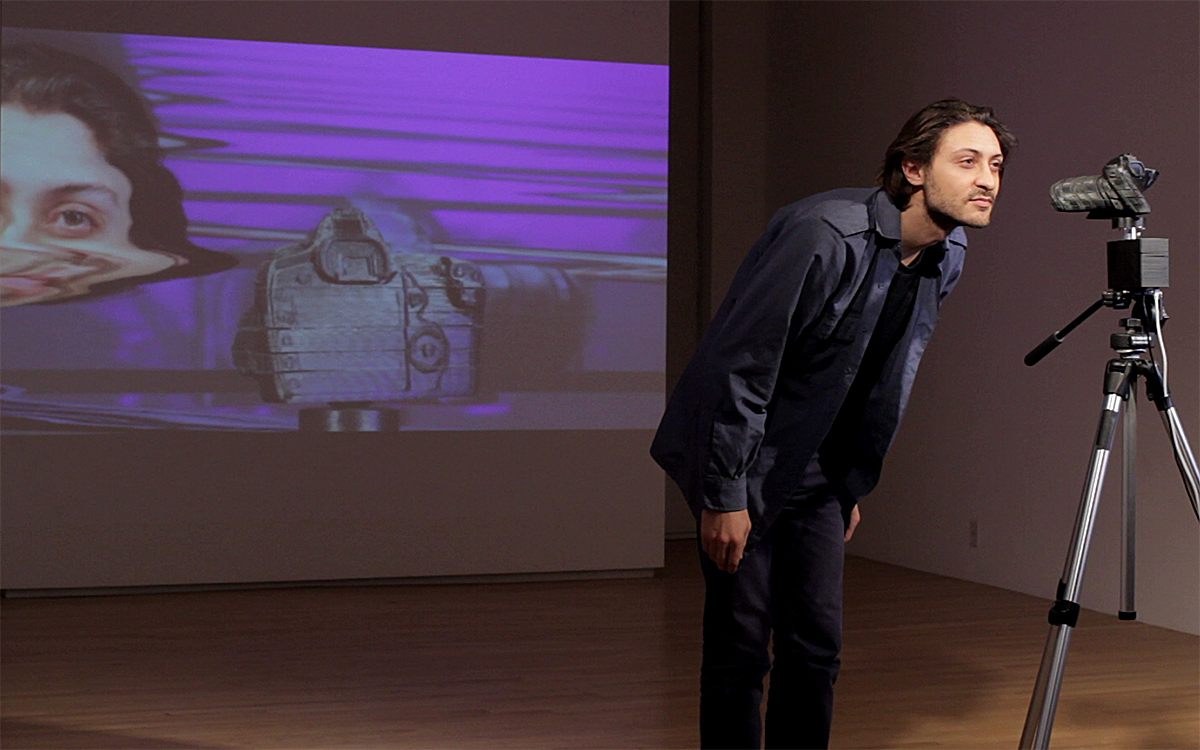
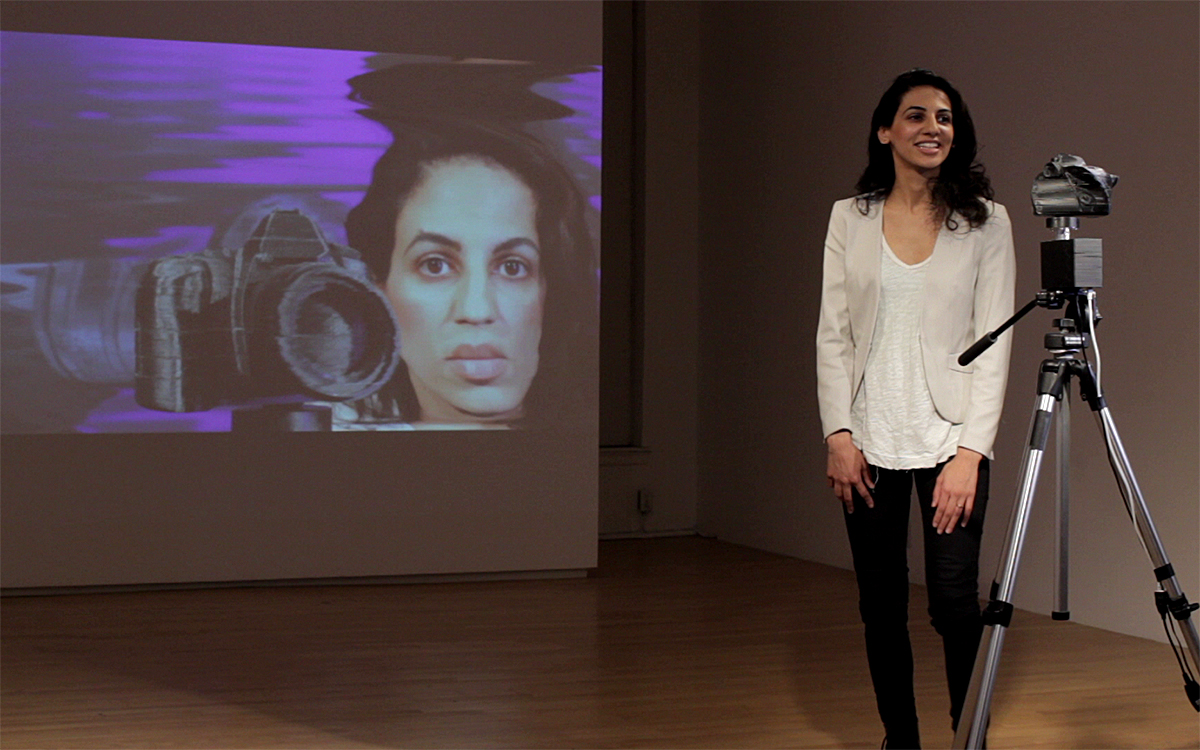
Squint is the first in a series of installations in which Tyson Parks invents new processes to explore the relationship between form, image, motion, time, perception, and memory. This series of invented process artworks is called "Mnetractoscopes"; a term coined by Parks, taken from Latin and Greek etymology, which roughly translates to "viewer(s)" that "draw or pull" from "memory". This naming serves as homage to early animation devices such as the pre-historic Thaumotrope, Joseph Plateau's Anorthoscope, or Eadweard Muybridge's Zoopraxiscope. Parks puts forth the idea that the development and dissemination of these types of devices through the end of the 19th Century brought about a significant change of self-awareness in human kind that led directly to the modernist revolutions in science, art, philosophy, and technology in the 20th Century. Squint is composed of a sculptural object; a replica of a familiar everyday object that has been distorted and twisted beyond recognition and into abstraction and that sits atop a stand, slowly rotating. A camera films the object in motion, sending a live video feed of its view to a computer. Just above the camera is what Parks calls a "transformative mirror"; a projected screen that shows a processed view of the live camera feed. In this virtual reflection of the space, the public that is present and circulating within the room are abstracted, while the sculptural object is de-abstracted and revealed in its original and recognizable form. Central to Parks' work is an investigation of communication, perception, and translation. The artist questions how new perspectives expose hidden relationships and how we might problem solve around the limitations of available perspective. According to him, it is through the discovery of the limitations and functions of our visual processes that allows us to communicate, collaborate and coexist in new and different ways. ___ Tyson Parks is an American artist and technologist. He employs new technologies to create complimentary paradigms of experience such as audio and visual perception, virtual and actual reality, and inter-dimensional relationships. He takes conceptual and cross-modal inspiration from his experience as a photographer, videographer, electronic musician, VJ, digital visual artist, teacher, and creative programmer. The artist thanks everyone at Eastern Bloc for their generous support and assistance in the creation of this project during their Winter 2013 Residency Program, and to Concordia's IMCA Department for assisting with this exhibition.

Squint is a system-based installation that explores perception, memory, and translation through the inversion of form and image. It is an early work in which Tyson Parks invents a custom process to investigate how motion, time, and viewpoint condition what can be seen and recognized.

The project draws implicit reference from early optical and proto-cinematic devices, not as historical reenactment, but as a way of framing how shifts in visual mediation reshape perception and self-awareness. Rather than foregrounding spectacle, Squint treats mediation itself as the primary material.

The installation consists of a slowly rotating sculptural object modeled after a familiar everyday form but distorted into abstraction, mounted on a stand and filmed by a camera in real time. The live feed is processed and displayed on a projected surface positioned above the camera, functioning as a transformative mirror.

Within this mediated reflection, abstraction and legibility are inverted: the physical object is reconstituted into a recognizable form, while the surrounding space and viewers are fragmented and obscured.

Central to the work is an investigation of how translation exposes the limits of perception. Squint does not resolve illusion into clarity, but instead reveals how recognition depends on the systems through which forms are encountered. Perception is treated as an active negotiation between structure, memory, and point of view rather than a passive reception of visual facts.

By foregrounding mediation as structure rather than effect, Squint anticipates a longer inquiry into how formal systems condition what can be seen, recognized, and resolved.